

Navigating the Oregon real estate market requires an understanding of regional supply dynamics, land-use planning laws, architectural options, and property tax structures. Whether you are searching for a suburban single-family home in the Portland Metro area, a mountain retreat in Central Oregon, or acreage in the Willamette Valley, understanding how local factors influence property values is essential for making a sound investment decision.
Oregon’s Urban Growth Boundaries (UGBs) Explained
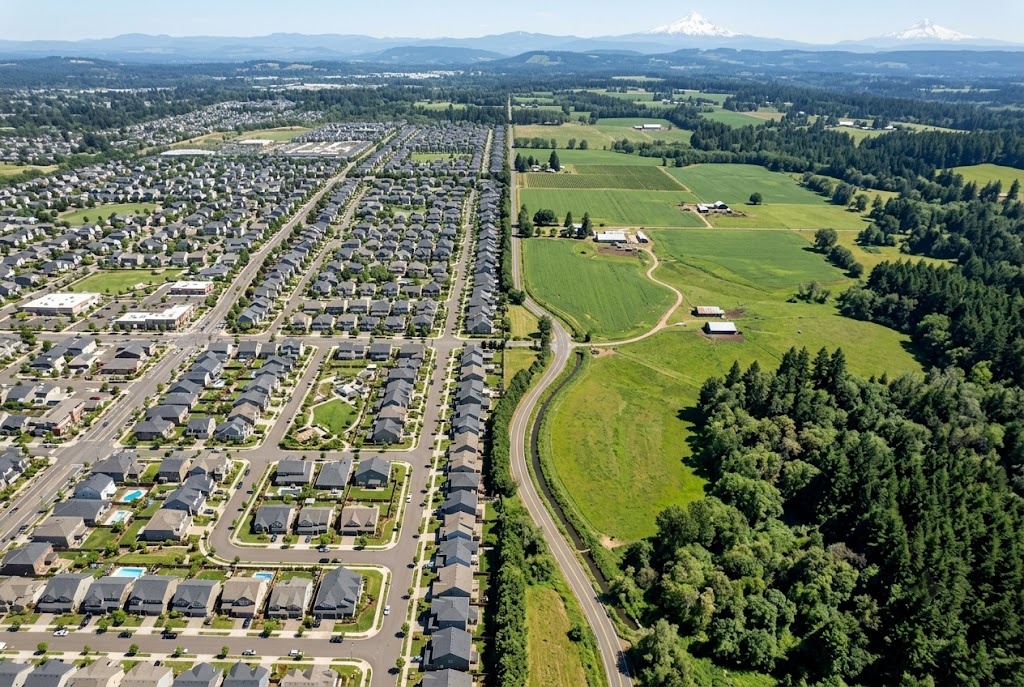
Oregon is famous among urban planners and real estate analysts for its pioneering 1973 land-use planning framework (Senate Bill 100), which mandated Urban Growth Boundaries (UGBs) for every city in the state. An Urban Growth Boundary controls urban expansion by restricting high-density commercial and residential development outside designated municipal lines, protecting surrounding farmland, timberland, and natural open space.
Impact on Property Values and Housing Inventory
Because UGBs restrict suburban sprawl into agricultural zones, buildable land within urban boundaries commands higher land values. This land-use framework preserves Oregon’s spectacular natural scenery and prevents uncoordinated development, but it also creates tight housing inventory conditions in high-demand cities like Portland, Bend, Eugene, and Corvallis.
HB 2001 and Middle Housing Opportunities
To address housing supply constraints within existing UGBs, Oregon passed House Bill 2001. This landmark legislation legalized “middle housing” types—such as duplexes, triplexes, quadplexes, and cottage clusters—in residential zones traditionally reserved exclusively for single-family detached homes. This provides buyers and property owners unique opportunities to build, convert, or purchase multi-unit residential properties in established neighborhoods.
Regional Real Estate Market Breakdown
Every Oregon submarket exhibits distinct price points, architectural character, inventory trends, and buyer competition dynamics. The Portland metro market spans Multnomah, Washington, and Clackamas counties. Inner-city Portland features historic Craftsman bungalows, Tudor homes, and mid-century modern residences, while suburban areas like Hillsboro, Lake Oswego, and Tigard offer larger modern single-family developments. Bend, Redmond, and Sisters have seen elevated home appreciation driven by sustained in-migration, showcasing Craftsman, modern rustic, or eco-friendly designs built for high desert seasons.
Essential Guide for First-Time Oregon Homebuyers
Buying a property in Oregon involves specific legal disclosures and inspection steps. Watch this video overview covering key homebuying strategies and documentation required in Oregon:
Property Taxes in Oregon: Measures 5 and 50
Oregon property taxes operate under a complex system shaped by two voter-passed ballot measures from the 1990s: Measure 5 and Measure 50. Property tax rates in Oregon are applied to a property’s Assessed Value, not its current Real Market Value. Assessed Values were capped in 1997 and are limited to a maximum 3% annual growth for existing homes unless physical modifications or new construction occur. As a result, neighboring homes with identical current market values can pay significantly different annual property taxes based on historical assessment dates.
Home Inspections and Environmental Due Diligence
Homes in the Pacific Northwest require targeted inspections to evaluate regional environmental conditions and structural integrity:
- Radon Gas Testing: Radon gas levels can be elevated in certain parts of Oregon, particularly in Multnomah and Clackamas counties due to Missoula Flood gravel deposits. A 48-hour continuous radon monitor test is standard during contract inspection periods.
- Sewer Line Scope: Older Oregon homes built prior to 1970 frequently feature clay tile, concrete, or cast-iron sewer lines vulnerable to tree root intrusion, settling, or pipe collapse. Performing a video sewer scope protects buyers against expensive post-closing line repairs.
- Moisture & Crawlspace Inspection: Given Oregon’s wet winter climate, inspecting crawlspaces, attics, roof flashings, and foundation drainage systems (sump pumps, French drains) prevents undiscovered water damage or mold issues.
Understanding Oregon Real Estate Contracts & Legal Forms
Real estate transactions in Oregon utilize standardized legal contracts produced by Oregon Real Estate Forms (OREF). Key contract contingencies include the initial 10-business-day inspection window, financing contingency, appraisal contingency, and preliminary title report review. Understanding how these contingencies protect buyer earnest money deposits ensures a secure purchasing process.
Working with Licensed Oregon Title and Escrow Companies
Unlike states that utilize closing attorneys, Oregon real estate closings are handled by neutral third-party title and escrow companies (such as First American Title, Fidelity National Title, and WFG National Title). Escrow officers manage earnest money deposits, title searches, loan document signing, and deed recording with the county clerk upon closing escrow.
Related Reading:
- Understanding land-use laws? Read Oregon Urban Growth Boundaries (UGBs) Explained.
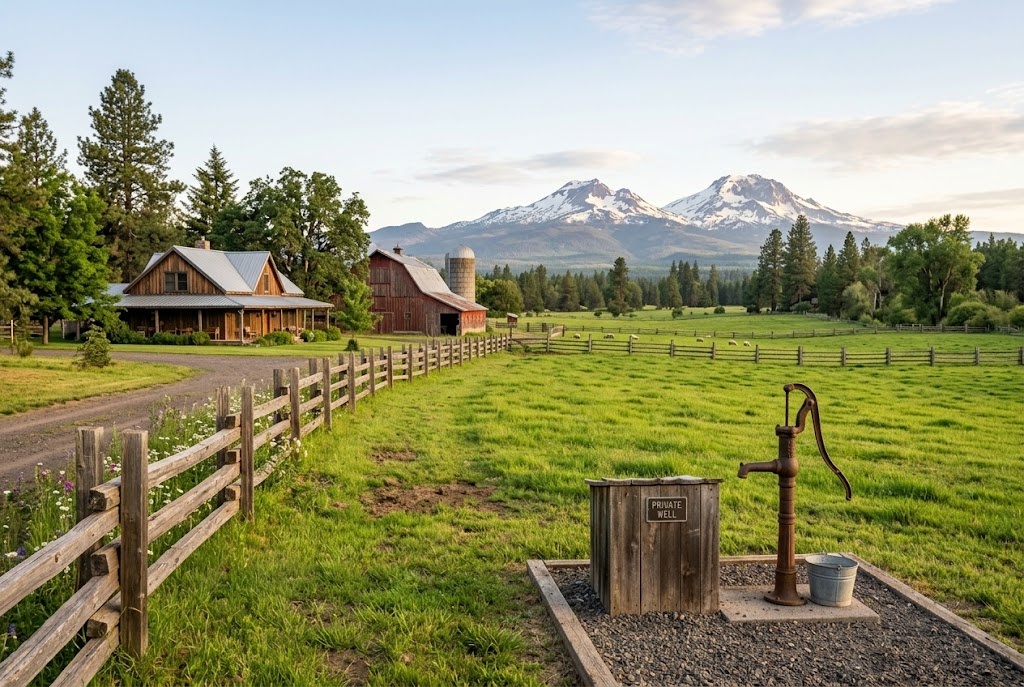
- Buying rural land or acreage? Check our guide to Well, Septic, and Water Rights in Oregon.
- Avoid costly closing surprises with our Oregon Home Inspection Checklist.
Key Relocation Checklist and Expert Local Advice
To ensure a seamless transition when moving to Oregon, establish a structured timeline at least 60 to 90 days before your move date. Securing housing, transferring professional state licenses, updating automotive insurance policies, and establishing local banking relationships early eliminates last-minute stress.
Furthermore, taking time to tour local neighborhoods at different times of day helps you gauge traffic patterns, ambient noise levels, and proximity to grocery stores, medical clinics, and public parks. Connecting with local community groups, neighborhood associations, and regional online forums provides valuable first-hand recommendations from long-time residents.
Related Posts

Home Inspection Contingencies in Oregon: Radon, Sewer Scope, and Moisture
Executing a thorough property inspection is the single best way…
Understanding Oregon Urban Growth Boundaries (UGBs) & Land Use Laws
Oregon’s land-use planning system is widely considered the most comprehensive…
Buying Rural Property & Acreage in Oregon: Well, Septic, and Water Rights
Purchasing rural acreage, a farm, or a mountain homestead in…