
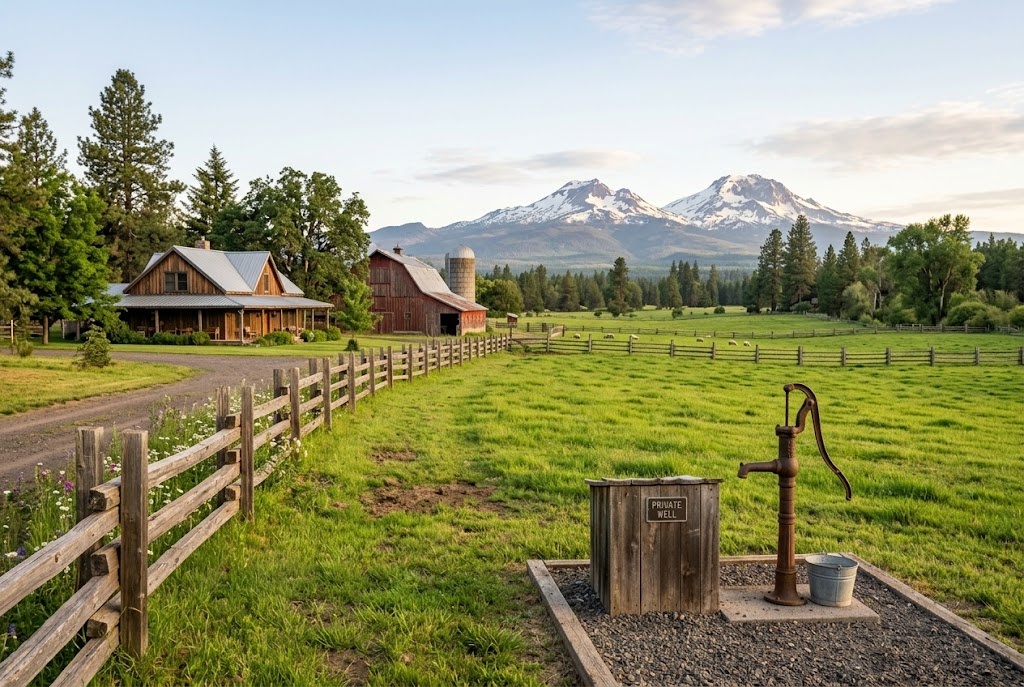
Purchasing rural acreage, a farm, or a mountain homestead in Oregon offers a peaceful lifestyle, scenic privacy, and connection to nature. However, purchasing rural real estate requires specialized due diligence regarding private water wells, septic system capacity, zoning permissions, and water right certificates.
Evaluating Private Water Wells in Oregon
Most rural Oregon properties rely on private groundwater wells rather than municipal water systems. During your real estate purchase contract inspection period, performing thorough well testing is critical.
Well Flow and Yield Testing
A certified well contractor should perform a 4-hour or 24-hour pump flow test to determine the well’s sustained yield in gallons per minute (GPM). In high desert or mountainous areas, well depth and seasonal water table fluctuations can affect water availability.
Groundwater Quality & Contaminant Testing
Oregon law requires sellers of residential property with a private well to test the water for arsenic, nitrates, and total coliform bacteria prior to closing escrow. Buyers should also consider testing for lead, heavy metals, and radon in water depending on regional geology.
Septic System Inspection and Onsite Wastewater Management
Rural properties handle sewage through private onsite septic systems regulated by the Oregon Department of Environmental Quality (DEQ). Before waiving purchase contingencies, buyers should ensure:
- Septic Tank Pumping & Inspection: A licensed septic technician opens, pumps, and inspects the structural integrity of the septic tank and baffles.
- Drainfield Inspection: Verifying that the absorption drainfield (leach field) is functioning correctly without root intrusion, standing water, or soil saturation.
- DEQ Permit Verification: Verifying that the septic system has an official DEQ permit on file matching the current number of bedrooms in the home.
Essential Guide to Buying Land and Rural Utilities
Watch this video guide breaking down utility connection costs, well drilling expenses, and rural property considerations:
Understanding Oregon Water Rights Laws
In Oregon, all groundwater and surface water belongs to the public. To legally divert water from a river, stream, or irrigation canal for farm or pasture use, the property must hold a valid Water Right Permit or Certificate issued by the Oregon Water Resources Department (OWRD). Water rights are appurtenant to the land and transfer automatically with property sales. Buyers must verify that water rights have been beneficially used within the past 5 years to prevent forfeiture under Oregon water law.
Exclusive Farm Use (EFU) & Forestland Tax Deferrals
Rural properties zoned Exclusive Farm Use (EFU) or Commercial Forestland enjoy significant annual property tax reductions through special farm or timber assessments. To maintain EFU tax status, the property owner must demonstrate minimum gross farm income or active timber management plans. Buyers should consult with county tax assessors to prevent triggering retroactive property tax penalties upon transfer of ownership.
Wildfire Defensible Space & Firewise Property Guidelines
Rural property owners in Oregon—especially in Central, Southern, and Eastern Oregon—must maintain defensible space around structures to mitigate wildfire risks. Oregon Department of Forestry (ODF) guidelines recommend establishing a 30-foot lean, clean, and green zone around homes by clearing dry brush, pruning lower tree limbs, and installing ember-resistant roofing materials.
Outbuildings, Barn Permits, and Farm Structures
Building outbuildings, barns, workshops, or equestrian arenas on rural Oregon land requires verifying county building department codes. While qualifying farm structures on Exclusive Farm Use (EFU) land may enjoy specific agricultural building permit exemptions, residential workshops and guest quarters require full structural and septic permits.
Related Guides:
- Explore overall property trends in our Oregon Property & Real Estate Guide.
- Protecting your inspection window? Review our Oregon Home Inspection Contingencies Checklist.
Key Relocation Checklist and Expert Local Advice
To ensure a seamless transition when moving to Oregon, establish a structured timeline at least 60 to 90 days before your move date. Securing housing, transferring professional state licenses, updating automotive insurance policies, and establishing local banking relationships early eliminates last-minute stress.
Furthermore, taking time to tour local neighborhoods at different times of day helps you gauge traffic patterns, ambient noise levels, and proximity to grocery stores, medical clinics, and public parks. Connecting with local community groups, neighborhood associations, and regional online forums provides valuable first-hand recommendations from long-time residents.
Long-Term Economic Outlook and Community Integration
Oregon’s long-term economic strategy continues to prioritize sustainable growth, clean energy development, tech innovation, and agricultural export. As regional infrastructure expands to support growing populations, housing values across established suburban corridors remain supported by strong fundamental demand.
Engaging with local civic organizations, volunteering with regional environmental stewardship non-profits, supporting independent local businesses, and participating in seasonal community festivals allow new residents to quickly build meaningful personal networks and integrate into Oregon’s distinct civic culture.
Administrative Setup, Healthcare Registration, and Public Services
Once settled, complete your administrative requirements promptly. Registering your vehicle and updating your driver’s license with the Oregon DMV within 30 days of arrival is mandated by state law. Setting up patient portals with major health networks like OHSU, Providence, Legacy, or St. Charles ensures your family has immediate access to primary and emergency medical care.
Additionally, review local waste management schedules, emergency management alert systems (such as PublicAlerts in the Portland metro area or Deschutes County Emergency Alerts in Central Oregon), and regional library networks. Oregon’s public library systems offer outstanding digital media access, community workshops, and youth educational resources free to all residents.
Related Posts

Home Inspection Contingencies in Oregon: Radon, Sewer Scope, and Moisture
Executing a thorough property inspection is the single best way…

Oregon Property & Real Estate Guide: Navigating Housing Markets Across Regions
Navigating the Oregon real estate market requires an understanding of…
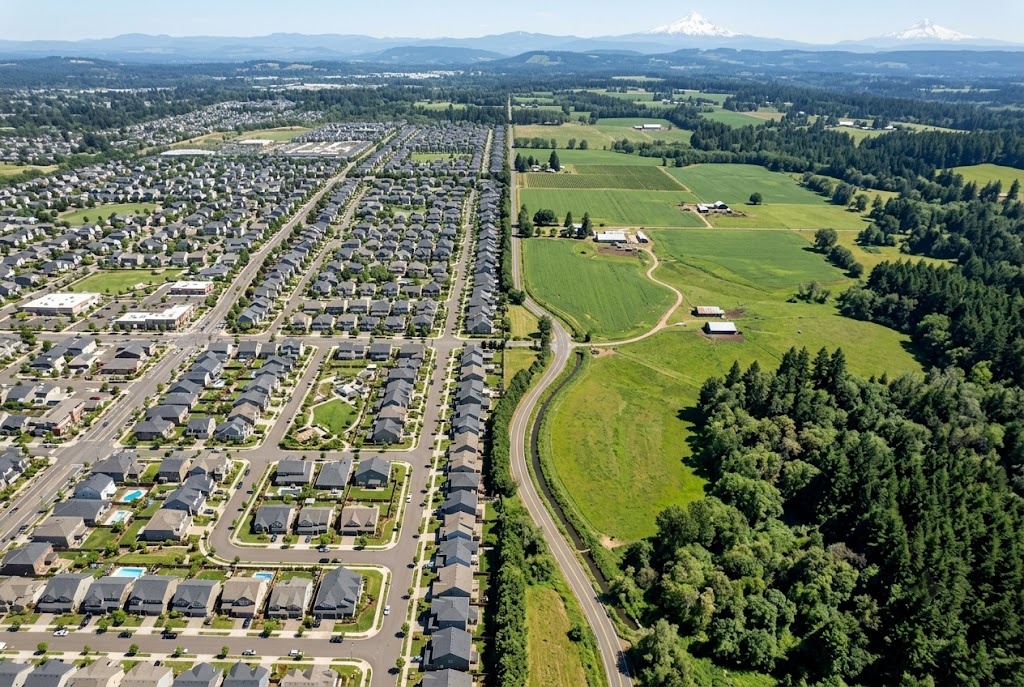
Understanding Oregon Urban Growth Boundaries (UGBs) & Land Use Laws
Oregon’s land-use planning system is widely considered the most comprehensive…