

Executing a thorough property inspection is the single best way to protect your financial investment when buying a home in Oregon. The Pacific Northwest climate presents unique structural, moisture, and environmental conditions that require targeted inspection contingencies in your Oregon Real Estate Agency (OREA) purchase agreement.
1. Radon Gas Testing (Continuous 48-Hour Monitoring)
Radon is an odorless, invisible radioactive gas that leaks naturally from underground rock and soil deposits. Certain regions in Oregon—particularly Multnomah, Clackamas, and Polk counties—exhibit elevated indoor radon levels due to Missoula Flood gravel soils. During your 10-business-day inspection contingency window, your home inspector should deploy a continuous radon monitor on the lowest livable level of the home. If average radon levels test at or above 4.0 picocuries per liter (pCi/L), buyers typically request the seller to install an active radon mitigation system (costing approximately $1,500 to $2,500) prior to closing.
2. Video Sewer Line Scope Inspection
In established Oregon cities like Portland, Eugene, and Salem, homes built prior to 1970 frequently utilize clay tile, concrete, or cast-iron side sewer pipes connecting the home to the municipal main line. Over decades, tree roots, ground settling, and pipe corrosion can cause severe blockages or structural line collapses. Hiring a specialized sewer scope technician to navigate a fiber-optic camera through the entire line identifies cracks, root intrusions, or low spots (“bellies”). Replacing a damaged sewer line can cost $5,000 to $15,000+, making a $250 sewer scope an essential inspection investment.
Understanding Oregon Real Estate Contracts & Disclosures
Watch this video detailing key legal documents, inspection disclosure forms, and contract contingencies used in Oregon:
3. Crawlspace, Drainage, and Roof Moisture Inspections
Oregon’s rainy winter climate makes moisture control a paramount concern for home buyers. A certified home inspector must thoroughly inspect crawlspaces for standing water, vapor barrier coverage, and foundation drainage systems (sump pumps or French drains). Roof flashings, chimney mortars, and attic space should be checked to prevent hidden water damage or mold growth.
4. Pest, Wood-Destroying Organism, and Underground Fuel Tanks
Homes in Western Oregon can be susceptible to wood-destroying organisms, including carpenter ants, subterranean termites, and wood-decay fungus. A dedicated WDO inspection ensures structural timbers remain sound. Furthermore, older Portland homes often had underground heating oil tanks (HOTs). Conducting a soil matrix test and verifying decommissioning documentation with the Oregon DEQ protects buyers against costly environmental cleanup obligations.
Asbestos, Lead-Based Paint, and Historic Home Inspections
Oregon homes constructed prior to 1978 require lead-based paint disclosures under federal law. Furthermore, home renovations involving acoustic ceiling popcorn, vinyl floor tiles, or duct insulation in pre-1980 homes may require certified asbestos testing before demolition. Identifying these materials during purchase inspections prevents unexpected hazardous material abatement expenses.
Foundation Settlement, Seismic Retrofitting, and Bolting
Older homes in Western Oregon constructed on post-and-beam or unreinforced masonry foundations benefit from seismic retrofitting. Installing foundation anchor bolts, hold-downs, and plywood shear wall bracing secures the home against regional seismic activity, often reducing homeowners insurance premiums.
Related Guides:
- Buying a home in Oregon? Read our complete Oregon Property & Real Estate Guide.
- Financing your home purchase? Explore Oregon First-Time Homebuyer Loan Options.
Key Relocation Checklist and Expert Local Advice
To ensure a seamless transition when moving to Oregon, establish a structured timeline at least 60 to 90 days before your move date. Securing housing, transferring professional state licenses, updating automotive insurance policies, and establishing local banking relationships early eliminates last-minute stress.
Furthermore, taking time to tour local neighborhoods at different times of day helps you gauge traffic patterns, ambient noise levels, and proximity to grocery stores, medical clinics, and public parks. Connecting with local community groups, neighborhood associations, and regional online forums provides valuable first-hand recommendations from long-time residents.
Long-Term Economic Outlook and Community Integration
Oregon’s long-term economic strategy continues to prioritize sustainable growth, clean energy development, tech innovation, and agricultural export. As regional infrastructure expands to support growing populations, housing values across established suburban corridors remain supported by strong fundamental demand.
Engaging with local civic organizations, volunteering with regional environmental stewardship non-profits, supporting independent local businesses, and participating in seasonal community festivals allow new residents to quickly build meaningful personal networks and integrate into Oregon’s distinct civic culture.
Administrative Setup, Healthcare Registration, and Public Services
Once settled, complete your administrative requirements promptly. Registering your vehicle and updating your driver’s license with the Oregon DMV within 30 days of arrival is mandated by state law. Setting up patient portals with major health networks like OHSU, Providence, Legacy, or St. Charles ensures your family has immediate access to primary and emergency medical care.
Additionally, review local waste management schedules, emergency management alert systems (such as PublicAlerts in the Portland metro area or Deschutes County Emergency Alerts in Central Oregon), and regional library networks. Oregon’s public library systems offer outstanding digital media access, community workshops, and youth educational resources free to all residents.
Related Posts
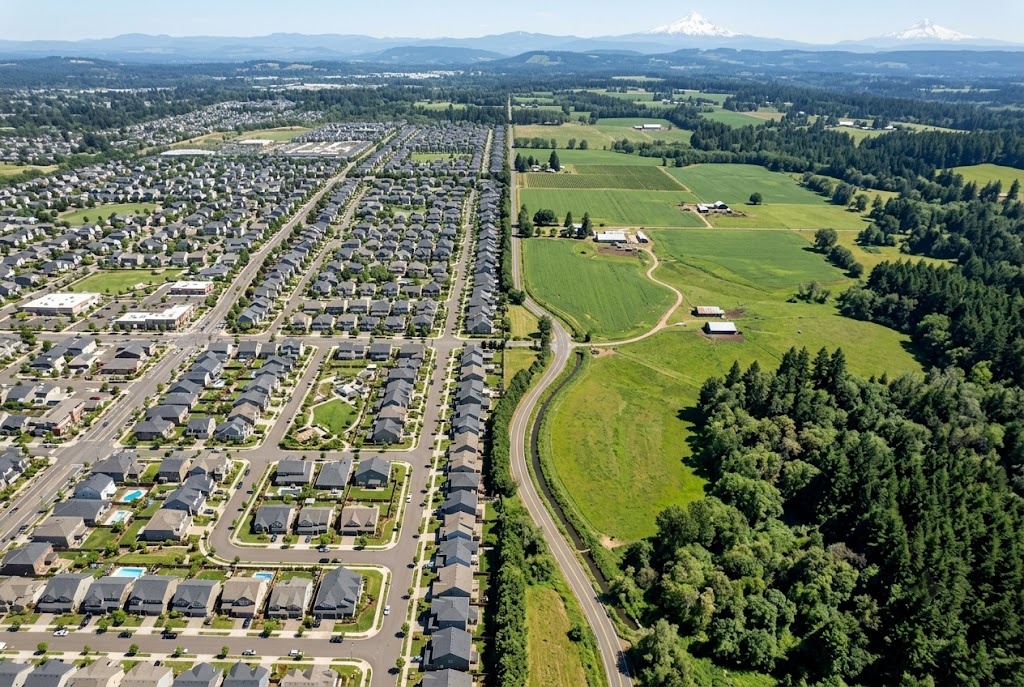
Understanding Oregon Urban Growth Boundaries (UGBs) & Land Use Laws
Oregon’s land-use planning system is widely considered the most comprehensive…
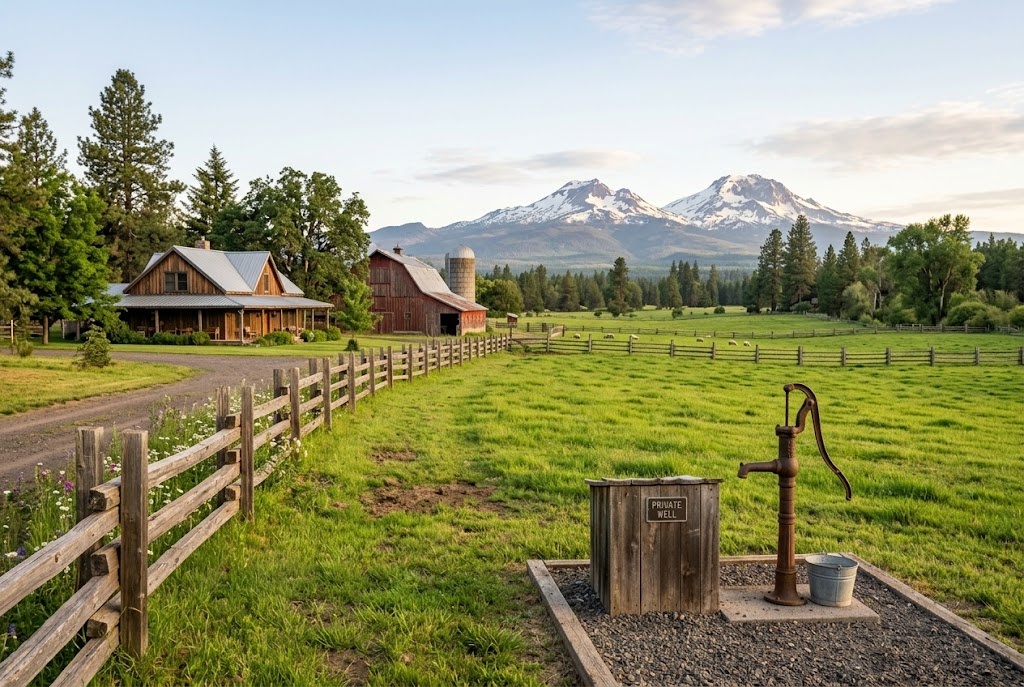
Buying Rural Property & Acreage in Oregon: Well, Septic, and Water Rights
Purchasing rural acreage, a farm, or a mountain homestead in…

Oregon Property & Real Estate Guide: Navigating Housing Markets Across Regions
Navigating the Oregon real estate market requires an understanding of…