
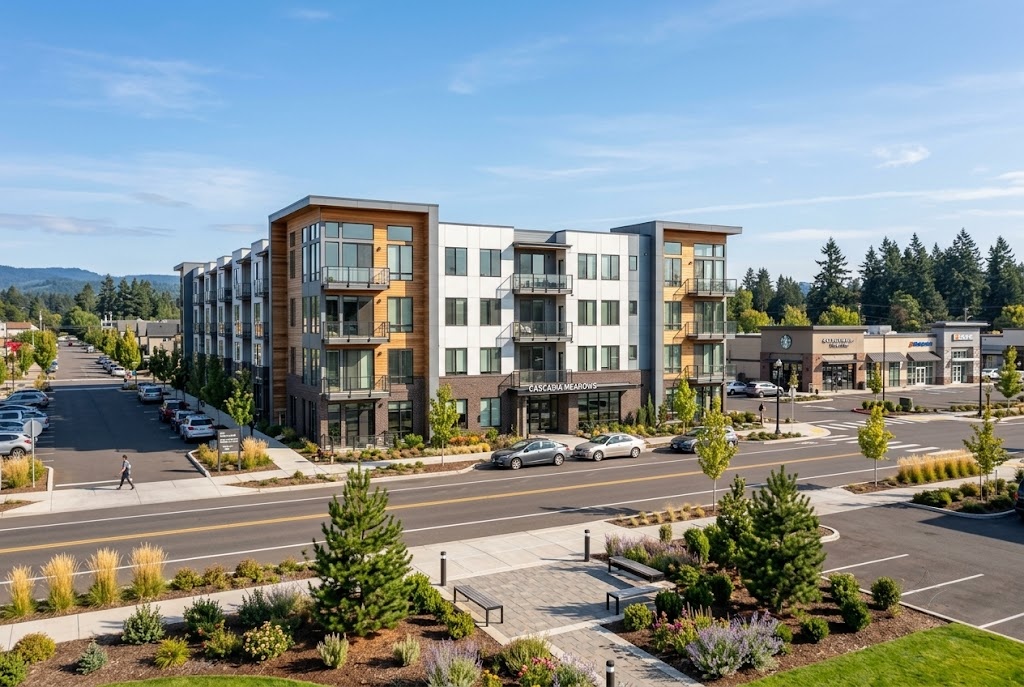
Oregon’s expanding economy, sustained population growth along key transportation corridors, and unique land-use policy framework create compelling opportunities for real estate investors. From single-family rental portfolios and multi-family apartment buildings to commercial developments and agricultural acreage, successful real estate investing in Oregon requires a disciplined, data-driven strategy grounded in local policy awareness.
Why Invest in Oregon Real Estate?
Oregon presents a stable economic foundation anchored by technology (the Silicon Forest), healthcare, apparel design, agriculture, and outdoor recreation sectors. Coupled with strict land-use policy (Urban Growth Boundaries) that restricts rapid peripheral sprawl, high-demand municipalities exhibit sustained rental demand and strong property value retention across market cycles.
Key Investment Corridors and High-Growth Submarkets
Identifying emerging submarkets allows real estate investors to balance ongoing rental yields (cap rates) with long-term equity appreciation:
- Portland Suburban Tech Corridors: Suburbs like Beaverton and Hillsboro offer robust tenant demand driven by major employers like Intel. The influx of skilled tech professionals maintains strong demand for modern apartments and single-family rentals.
- Central Oregon (Bend and Redmond): Central Oregon leads the state in economic expansion. While Bend features premium real estate prices, Redmond has emerged as a prime target for residential multi-family and commercial real estate development due to relative land affordability.
- Willamette Valley University Towns: Eugene (University of Oregon) and Corvallis (Oregon State University) offer consistent student and faculty rental markets with historically low vacancy rates.
Market Trends and Growth Opportunities
Watch this video market analysis discussing top Oregon real estate investment markets and forecasts for the coming years:
Navigating Statewide Rent Control & Landlord Regulations
Successful real estate investing in Oregon requires full compliance with statewide landlord-tenant laws under Senate Bill 608 as well as municipal housing rules. Under SB 608, annual rent increases for residential rental properties older than 15 years are capped at 7% plus the regional Consumer Price Index (CPI). Investors must factor these statutory rent caps into their long-term financial modeling.
Tax Strategies: 1031 Exchanges and Opportunity Zones
Optimizing real estate investment returns involves taking full advantage of federal and state tax incentives. Investors selling appreciated rental properties can defer federal capital gains taxes and Oregon state income tax by reinvesting sale proceeds into like-kind replacement properties within statutory 180-day timeframes via a 1031 Exchange.
Evaluating Property Management Agreements & Local Operations
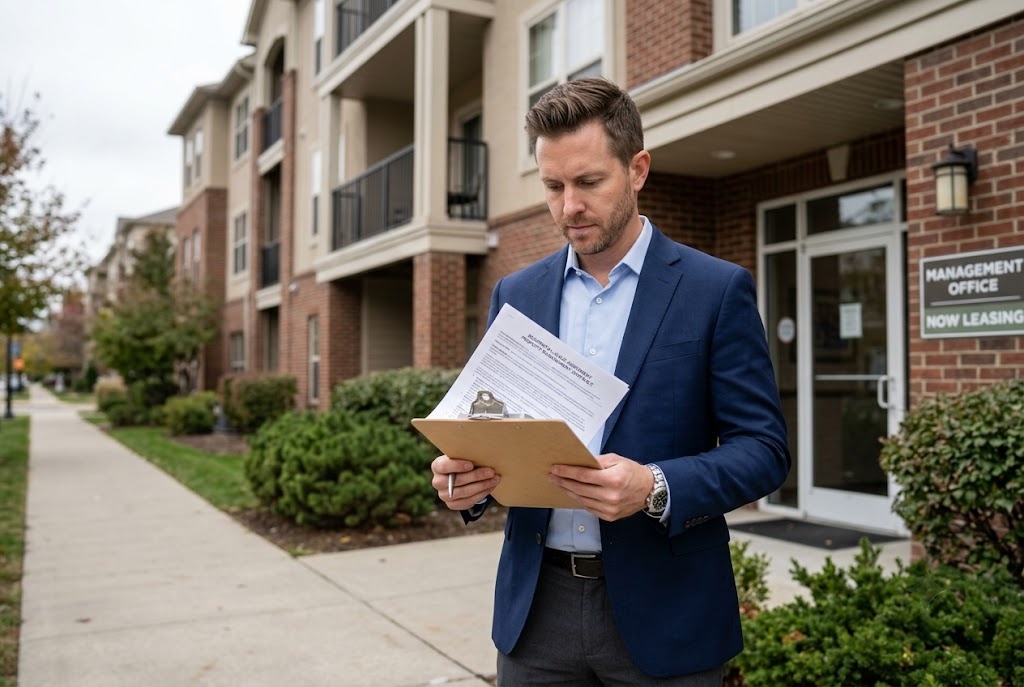
Real estate investors managing Oregon rental property benefit from hiring licensed local property management companies. Professional property managers handle tenant screening, lease drafting in compliance with SB 608, rent collection, 24/7 maintenance dispatch, and annual property inspections.
Commercial Real Estate & Multi-Family Density Trends
Beyond single-family rentals, Oregon offers compelling opportunities in commercial real estate, industrial flex spaces, and multi-family housing. Infill developments permitted under HB 2001 allow investors to build modern duplexes or triplexes on urban parcels, maximizing rental yield per square foot.
Related Reading:
- Understanding rent caps? Read our Oregon Rent Control Laws (SB 608) Landlord Guide.
- Investing in vacation rentals? See Short-Term Rental (AirBnB) Regulations in Oregon.
- Deferring capital gains tax? Explore our 1031 Tax-Deferred Exchanges in Oregon Guide.
Key Relocation Checklist and Expert Local Advice
To ensure a seamless transition when moving to Oregon, establish a structured timeline at least 60 to 90 days before your move date. Securing housing, transferring professional state licenses, updating automotive insurance policies, and establishing local banking relationships early eliminates last-minute stress.
Furthermore, taking time to tour local neighborhoods at different times of day helps you gauge traffic patterns, ambient noise levels, and proximity to grocery stores, medical clinics, and public parks. Connecting with local community groups, neighborhood associations, and regional online forums provides valuable first-hand recommendations from long-time residents.
Long-Term Economic Outlook and Community Integration
Oregon’s long-term economic strategy continues to prioritize sustainable growth, clean energy development, tech innovation, and agricultural export. As regional infrastructure expands to support growing populations, housing values across established suburban corridors remain supported by strong fundamental demand.
Engaging with local civic organizations, volunteering with regional environmental stewardship non-profits, supporting independent local businesses, and participating in seasonal community festivals allow new residents to quickly build meaningful personal networks and integrate into Oregon’s distinct civic culture.
Administrative Setup, Healthcare Registration, and Public Services
Once settled, complete your administrative requirements promptly. Registering your vehicle and updating your driver’s license with the Oregon DMV within 30 days of arrival is mandated by state law. Setting up patient portals with major health networks like OHSU, Providence, Legacy, or St. Charles ensures your family has immediate access to primary and emergency medical care.
Additionally, review local waste management schedules, emergency management alert systems (such as PublicAlerts in the Portland metro area or Deschutes County Emergency Alerts in Central Oregon), and regional library networks. Oregon’s public library systems offer outstanding digital media access, community workshops, and youth educational resources free to all residents.
Related Posts
Oregon Rent Control Laws (SB 608): What Every Landlord & Investor Must Know
In 2019, Oregon made national headlines by enacting Senate Bill…

Short-Term Rental (STR) Regulations in Oregon: AirBnB Permit Rules by City
Short-term rentals (STRs)—popularized by platforms like Airbnb and VRBO—represent a…

1031 Tax-Deferred Exchanges in Oregon: Deferring State & Federal Capital Gains
For real estate investors selling appreciated investment property in Oregon,…