
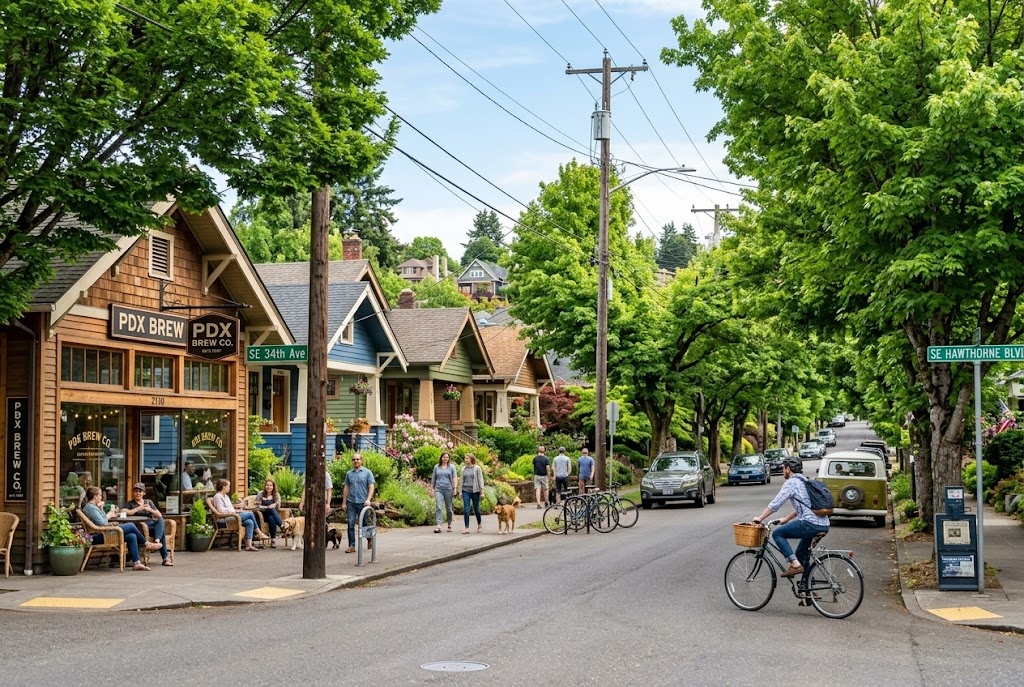
Deciding to relocate to Oregon is an exciting transition, but navigating the state’s unique geography, tax structure, microclimates, and regional economies requires clear, practical guidance. From the bustling urban hub of the Willamette Valley to the high desert landscapes of Central Oregon and the scenic coastal towns, Oregon offers a remarkably diverse array of communities tailored to varied lifestyle preferences, career goals, and family needs.
Understanding Oregon’s Microclimates and Geographic Regions
One of the most surprising aspects of moving to Oregon for newcomers is the dramatic climate variation across the state. The Cascade Mountain Range splits Oregon into two distinct environmental zones, each offering a fundamentally different living experience and daily routine.
The Willamette Valley (Portland, Eugene, Salem, Corvallis)
Home to roughly 70 percent of Oregon’s total population, the Willamette Valley is famous for its lush green landscapes, agricultural bounty, mild winters, and moderate summer temperatures. Rain is frequent from October through April, typically taking the form of a light, steady drizzle rather than heavy thunderstorm downpours. Summers in the valley are notoriously pleasant, featuring warm, dry weather and low humidity extending from late June through September.
Central Oregon (Bend, Redmond, Sunriver, Sisters)
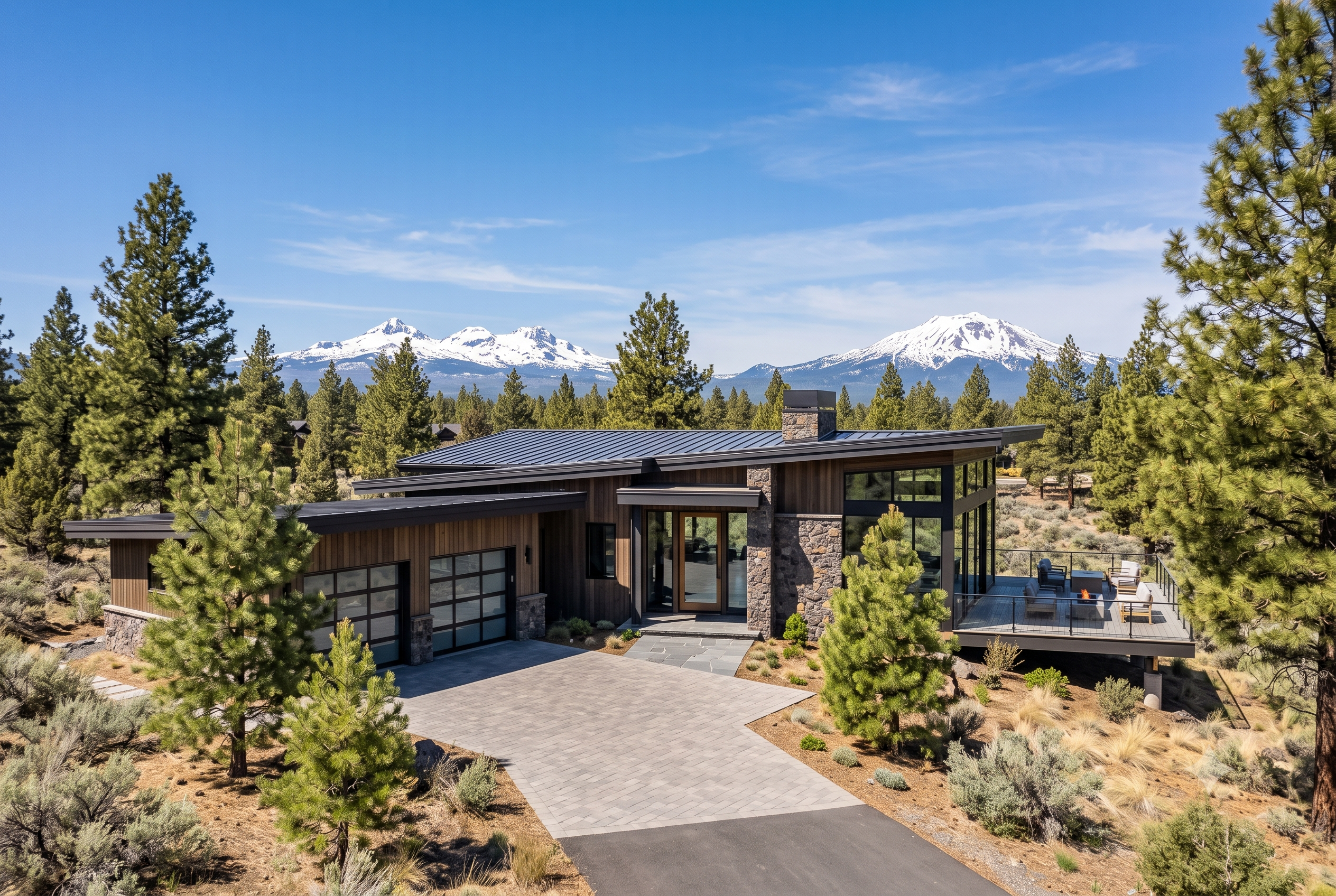
Situated east of the Cascade Mountains, Central Oregon features a high desert climate characterized by over 300 days of sunshine annually. Winters bring colder temperatures and substantial snowfall in higher elevations, while summers feature dry heat and cool desert nights. Bend and Redmond have grown rapidly into premiere hubs for outdoor enthusiasts, remote tech workers, and active families seeking mountain recreation.
Southern Oregon (Ashland, Medford, Grants Pass)
Offering warmer, drier summers than northern regions, Southern Oregon is known for its thriving wine industry, rich agricultural valleys, cultural attractions like the Oregon Shakespeare Festival, and abundant white-water river recreation along the Rogue River corridor.
The Financial Landscape: Income Tax vs. No Sales Tax
Oregon’s state fiscal model is unique compared to neighboring states. Oregon is one of only five U.S. states with no general state sales tax. The price you see on the price tag is the exact price you pay at retail outlets, grocery stores, hardware shops, and restaurants statewide.
However, to compensate for the absence of a sales tax, Oregon relies heavily on a progressive state income tax. Tax brackets range from 4.75% to 9.9%, with the top bracket applying to individual taxable incomes over $125,000 (or $250,000 for married couples filing jointly). When budgeting your move, it is critical to evaluate your effective income tax rate based on your personal financial situation, especially if moving from a state with no income tax like Washington, Texas, or Nevada.
Relocation Insights & Local Reality Check
To help you visualize what life on the ground in Oregon entails, watch this comprehensive video breakdown covering cost of living, culture, and neighborhood expectations:
Employment Markets and Economic Drivers
Oregon boasts a dynamic economy anchored by several key industry pillars. Understanding local job hubs is vital when choosing where to settle:
- The Silicon Forest: Located primarily in Hillsboro, Beaverton, and West Portland, this high-tech corridor hosts global technology giants including Intel (Oregon’s largest private employer) along with dozens of semiconductor and software firms.
- Apparel & Outdoor Brands: World headquarters for Nike (Beaverton), Columbia Sportswear (Portland), and major design hubs for Adidas and Keen generate strong employment demand in design, marketing, and corporate logistics.
- Healthcare & Higher Education: Oregon Health & Science University (OHSU), Providence Health & Services, and Legacy Health represent major employers in healthcare and biomedical research. Oregon State University in Corvallis and the University of Oregon in Eugene anchor higher education employment.
School Districts and Educational Framework
Families moving to Oregon will find a robust public education system paired with specialized charter and magnet schools. Top-performing school districts in the Portland metro area include Lake Oswego School District, West Linn-Wilsonville School District, and Beaverton School District. In Central Oregon, Bend-La Pine Schools serve a rapidly growing student body with modern facilities and strong vocational programs.
Administrative Setup: DMV, Healthcare, and Utilities
Completing your administrative setup early ensures a seamless transition to Oregon residency. New residents must update their driver’s license and vehicle registration with the Oregon Department of Transportation (DMV) within 30 days of establishing residency. Vehicles in the Portland metro and Medford areas must pass Department of Environmental Quality (DEQ) emissions testing before registration. Portland General Electric (PGE), Pacific Power, and NW Natural supply residential power and natural gas across the state.
Related Reading:
- Looking for city-specific guides? Read our Portland Neighborhood Guide or explore Living in Bend, Redmond, and Central Oregon.
- Evaluating your household budget? See our detailed breakdown on Oregon Income Tax vs 0% Sales Tax.
Key Relocation Checklist and Expert Local Advice
To ensure a seamless transition when moving to Oregon, establish a structured timeline at least 60 to 90 days before your move date. Securing housing, transferring professional state licenses, updating automotive insurance policies, and establishing local banking relationships early eliminates last-minute stress.
Furthermore, taking time to tour local neighborhoods at different times of day helps you gauge traffic patterns, ambient noise levels, and proximity to grocery stores, medical clinics, and public parks. Connecting with local community groups, neighborhood associations, and regional online forums provides valuable first-hand recommendations from long-time residents.
Related Posts
Portland Neighborhood Guide: Choosing Between Eastside, Westside, and Suburbs
Choosing the right neighborhood in the Portland metropolitan area is…
Moving to Central Oregon: Living in Bend, Redmond, Sisters, and Sunriver
Central Oregon has transformed from a quiet timber and ranching…

Moving to Oregon with Kids: Schools, Healthcare, and Family Activities
Moving a family to a new state involves careful planning…